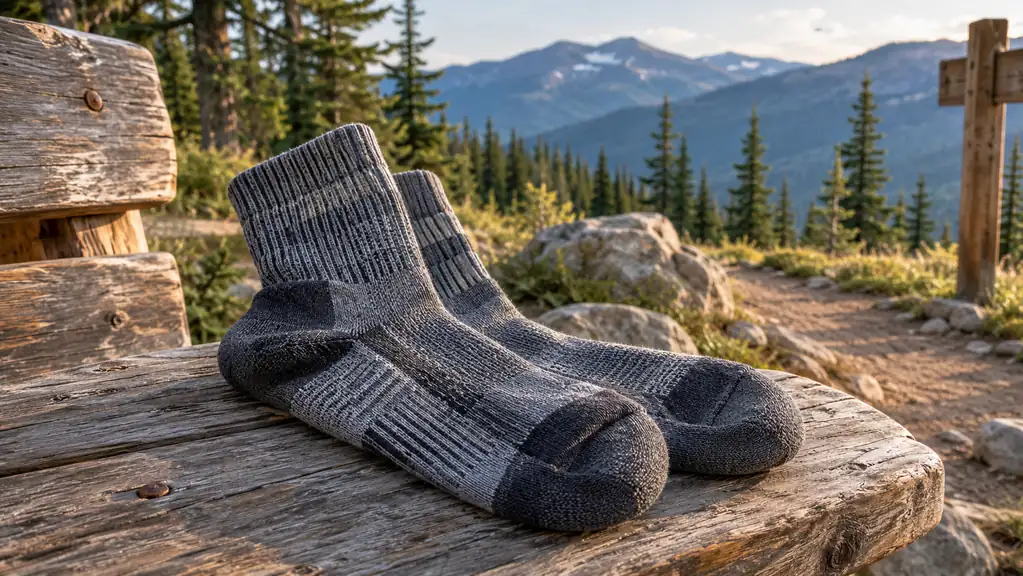
I will start with the part that sounds like an advertisement, because it happens to be true: I wore one pair of Darn Tough Vermont Hiker Micro Crew socks for eleven straight days on the trail this September, washed them in a creek with plain water, hung them on my pack to dry, and my feet came out of that trip with exactly zero blisters. I am 59 years old, I have hiked for about thirty years, and I did not expect a sock to be the thing I ended up recommending to everyone who asks. But here we are.
Before I bought these, I was a six-pack-socks person. I bought whatever was on sale, wore them until the heels wore through, and assumed blisters were just part of hiking. My left knee already complains on long descents, so I did not need my feet arguing too. This is the honest review I wish I had read before I spent the money: what Darn Tough Vermont socks do well, what they do not do, and what nobody tells you about the fit, the care, and the break-in.
The Quick Verdict
The best hiking sock I have used in thirty years of trail miles, with two honest caveats: the micro crew height sits lower than some hikers want, and the hand-wash care instruction is real. Buy them for the blister prevention and the durability, not because they are cheap.
Amazon Check Today's Price →The socks that ended my blister routine
After 300 miles and a full season in Darn Tough Vermont Hiker Micro Crew socks, I stopped carrying my usual blister kit. That is the short version of this whole review.
Amazon Check Today's Price on Amazon →How I Tested These Socks
I bought three pairs of the Darn Tough Vermont Women's Hiker Micro Crew Midweight Hiking Socks in the first week of April this year, after my old generic socks finally gave out. I paid for them myself, I did not tell anyone I was reviewing them, and I have worn nothing else on my feet for hiking since. That is about 300 trail miles across seven months, from muddy April slush to dry October dust.
My usual week is a day hike of six to ten miles from May through October, and this summer I also did three backpacking trips of two or three nights each. Tom came on most of those trips with me. The socks went through creek crossings, talus fields, one very wet August afternoon, and a lot of miles in my Merrell Moab 3 Mid Waterproof boots, which fit me well after about two weeks of short walks near home. I washed the socks in a sink or a creek between wears, and I did not baby them.
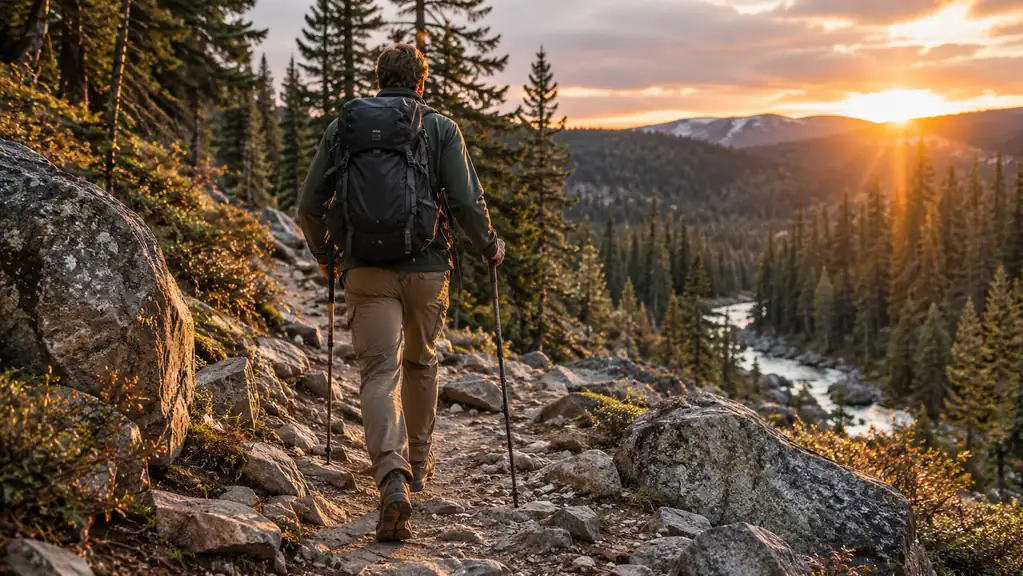
The worst single day came in late July on a nine-mile loop above the Bitterroot Valley. It had rained the night before, and the trail was a mix of slick mud and exposed rock. My boots were soaked by the second mile, and I expected the usual end-of-day hot spots. There were none. The socks were wet, but they were not rubbing, and that distinction is the whole story of why I stopped carrying moleskin. I wrote the date in my trail journal so I would remember it: July 27, no blisters, wet boots, wet socks, nine miles.
I also did something a little unscientific: I wore one pair for eleven consecutive trail days in September to see what would happen. I washed them in a creek with no soap, wrung them out, and let them dry on the outside of my pack while I walked. They were damp for part of most days. My feet stayed blister-free the whole time. That is the single most useful data point I have from this entire season.
The reason I switched at all was a specific morning in late March. I came off a six-mile hike with a blister on the outside of my right heel, the same spot I had been taping for years. I was standing in the driveway pulling off my boots and I decided I was done with it. The old socks were cheap, but they were not saving me anything if every long hike ended with a foot problem. That is the calculation that led me to Darn Tough Vermont, and it is the same calculation that kept me in them all season.
What Darn Tough Vermont Gets Right
The first thing you notice is the cushion. These are midweight socks, which means a solid but not bulky layer of padding under the foot. The fabric is 58% merino wool, 40% nylon, and 2% elastane, and that blend is doing more work than the marketing lets on. The wool manages temperature and moisture, the nylon is what keeps the heel from wearing through in a season, and the elastane is what keeps the sock from sliding down into your boot.
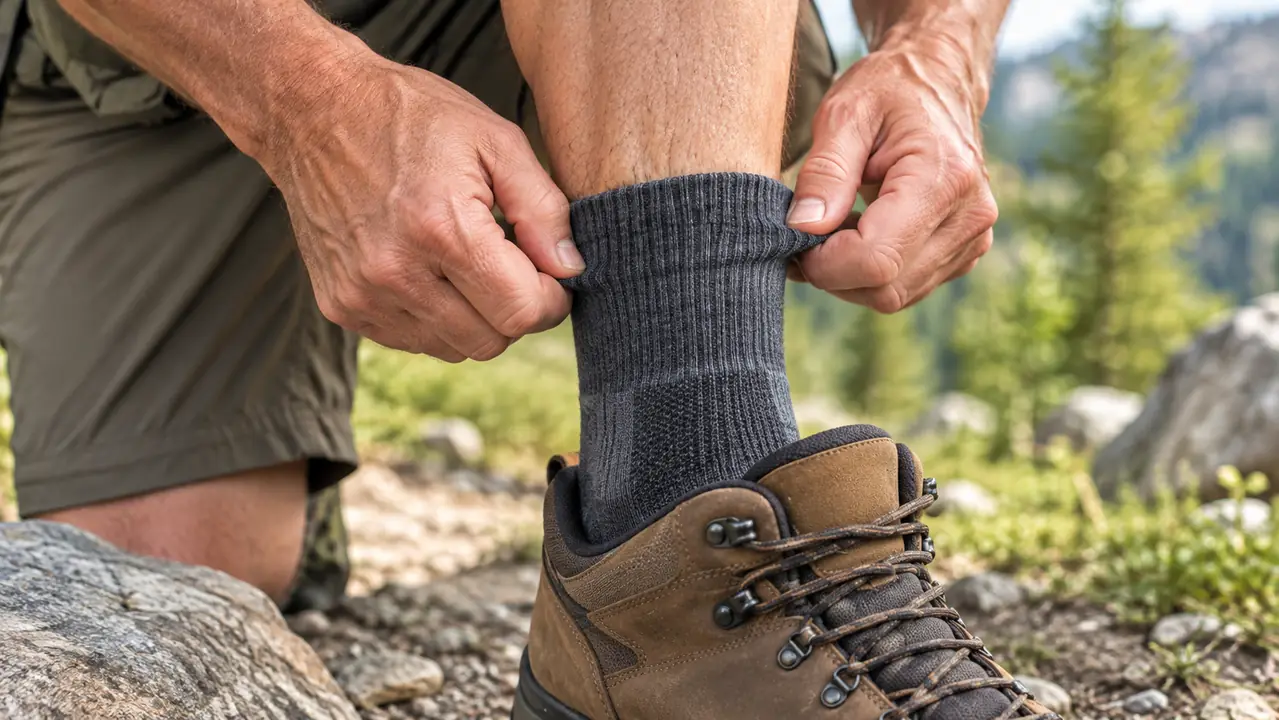
The fit is the part I did not expect to care about. The sock has medium stretch and a pull-on closure, and it fits like it was cut for an actual foot rather than a tube. I wear a women's size 9 with a slightly wide forefoot, and the sock hugs my arch, stays put at the heel, and does not bunch up under my toes. I have never once stopped mid-hike to adjust a Darn Tough Vermont sock. I cannot say that about any other sock I have worn in thirty years.
Then there is the blister piece. I used to carry a small kit with moleskin and tape on every hike. This season I stopped. The combination of the merino blend, the snug fit, and the midweight cushion meant my feet simply stopped getting hot spots. My left knee still gets sore on long descents, and that has not changed, but my feet have gone from my weak link to the part of the day I never think about.
The other thing I noticed is how little I thought about my socks. That sounds like faint praise, but it is the whole point. In thirty years of hiking I have adjusted socks, peeled off socks, wrung out socks, and once cut a sock off with scissors after a creek crossing swelled my foot. This season I did none of that. I put them on in the morning and took them off at night, and the only time I thought about them was when I was washing them.
One thing I noticed across the whole season is how the socks handle the in-between weather. On a warm afternoon in June, when the trail temperature hit the mid-eighties, my feet did not feel clammy by mile five. On the cold October mornings, they stayed warm on the walk up. The merino wool is doing the temperature work, but the 40% nylon is what lets the sock hold its shape load after load. I checked the heels and toes at the end of the season and found no thin spots, no holes, and no stretched-out cuffs. These socks are made in the USA, and after seven months I understand why that matters to me.
Eleven consecutive trail days, one pair of socks, washed in a creek with no soap, and zero blisters. I did not believe a sock could do that until I did it.
Where the Socks Fall Short
Here is what nobody tells you before you buy: the care instruction says hand wash only, and it means it. I ignored that for the first few weeks and put my pairs in the washing machine on a gentle cycle. They survived, but they came out slightly felted, a little stiffer and thicker than when they went in. Machine washing will not destroy these socks in one load, but it will age them faster. These are not socks you can toss in with the towels and forget.
The second honest caveat is the height. These are micro crew socks, which means they sit lower than a traditional crew sock. I have a slightly wider forefoot and my boots come up over my ankle, so the height worked fine for me. But if you wear taller boots, or you like a sock that comes well up your calf for tick protection in tall grass, the micro crew cut will leave you wanting more. Look for a taller sock instead, and you will be happier.
The third thing is the outlay. These are not cheap socks, and I am not going to pretend the cost is easy to swallow. The way I justify it is simple math: I bought three pairs in April, and seven months later all three still look like socks, not like something I need to replace. My old six-pack socks lasted maybe a season before the heels wore thin. I have gotten more than 300 miles out of these with no visible wear, and the wool blend is the reason. If you are the kind of hiker who loses socks on a regular basis, the cost per pair will hurt a lot more.
The other thing nobody tells you is that these are warm socks. On a hot August day, my feet ran warmer than they did in my old thin synthetic socks. That is the tradeoff for the cushion and the wool. I managed by wearing them anyway, because the blister protection mattered more, but if you hike mostly in desert heat you might want a lighter weight sock.
What I Liked
- Zero blisters across 300 miles and a full season
- Midweight merino cushion that keeps working when wet
- Fit holds: no bunching, no sliding, no mid-hike adjustments
- Three pairs show no visible wear after seven months
Where It Falls Short
- Hand wash only is a real instruction, not a suggestion
- Micro crew height sits lower than some hikers want
- Warm on hot summer days
- Up-front outlay is higher than ordinary socks
The Break-In Question Everyone Asks
Do they need to be broken in? No. I wore a new pair straight out of the package on a six-mile hike in April and had no issues. The medium stretch means they give a little as you wear them, but there is no awkward stiff phase like you get with new boots. The only adjustment period is remembering that you cannot treat them like your old socks. Hand wash, lay flat or hang to dry, and they will outlast the season.
One thing I learned the hard way: do not put them in the dryer. I did that once in May, on a cool damp day when I was in a hurry, and the pair came out a half-size smaller in the foot. They still fit, but they were not the same. From then on I hung them over the back of a chair or on a clothesline, and they dried overnight. The hand-wash instruction is the one thing I would tell any buyer to take seriously.
Who This Is For
Buy these if you are a day hiker or weekend backpacker who is tired of dealing with blisters, soggy socks, or socks that wear out halfway through the season. They are especially good for people who hike in wet conditions, because the merino blend keeps working even when damp. They are also a smart choice if you have a slightly wide forefoot like mine, since the stretch fit does not squeeze your toes together the way a lot of athletic socks do.
I would also recommend them to anyone who is older and starting to notice that their feet are less forgiving than they used to be. I am 59, my knees complain on descents, and the last thing I need is a blister turning a ten-mile day into a death march. These socks removed that variable entirely. That is worth more to me now than it would have been twenty years ago.
If you are on the fence, I would say buy one pair first and take them on a wet, rocky hike before you commit to more. I bought three because I knew I would be hiking all season, but a single pair would have been enough to tell me whether the fit worked. The fit is the thing you cannot judge from a listing. If the arch hits in the right place, you will know within the first mile. If it does not, no amount of cushion will save you.
If you only get out a handful of times a year, the outlay is harder to justify, and I would not argue with you. The durability advantage only shows up after many miles. But if you are on the trail most weeks from May to October like I am, the math changes. Three pairs carried me through an entire season, and they are still going. That is the kind of value I can defend at the trailhead.
Who Should Skip It
Skip these if you are not willing to hand wash your socks. I know that sounds like a small thing, but it is a real lifestyle difference. If you want socks you can throw in the washer and dryer without thinking, there are plenty of perfectly good synthetic options that will do the job. You will be paying for merino wool and a level of care that you are not going to give if you are not going to follow the instructions.
Skip them if you need a tall sock. The micro crew height is a feature for some people and a dealbreaker for others. I hike in boots that come up over my ankle, and the height was fine. If you wear taller boots or you want tick protection up your calf, get the crew version instead. Also, if you are someone who loses socks constantly, the outlay per pair will hurt a lot more when you leave one in a hotel laundry room.
One more group to mention: people who want a thin liner sock to wear inside a second sock. These are midweight, not liners. I tried layering them once under a pair of my old thin socks on a cold October morning, and my boots got tight by mile three. They are meant to be worn on their own, and they work best that way.
My feet stopped being the problem
A full season, 300 miles, three pairs, zero blisters, and no visible wear. If you are tired of fighting your socks on every hike, this is the pair I would buy again without hesitating.
Amazon Check Today's Price on Amazon →