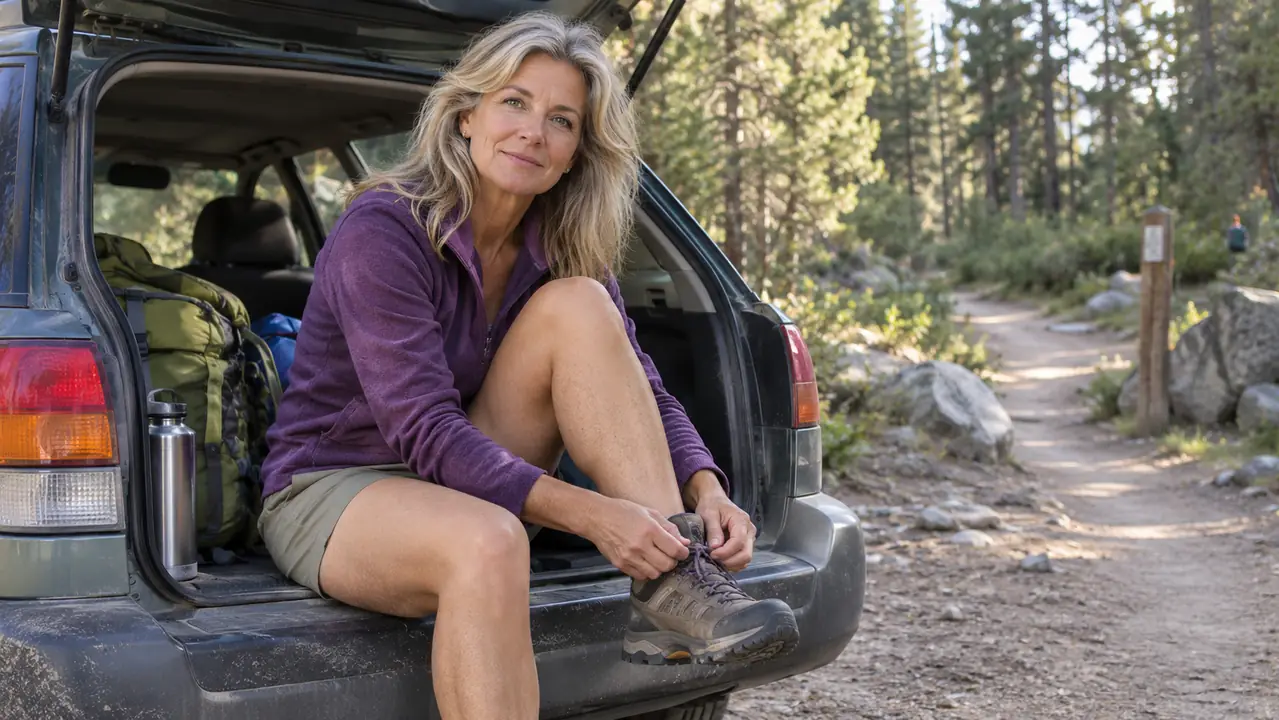
I retired from teaching middle school science in May, and my first act as a free woman was to buy the Merrell Moab 3 Mid Waterproof and wear out my old boots for good. I am 59, I have hiked for about thirty years, and I live outside Missoula, Montana, which means I have strong opinions about what a boot owes you by October. This is my honest review after one full season and roughly 300 trail miles.
If you are an everyday hiker, you have probably already heard the name Merrell. The Moab line is everywhere at trailheads, and there is a reason for that. But I did not buy mine because of the name. I bought them because my left knee gets sore on long descents, I have a slightly wide forefoot, and I needed a mid-height waterproof boot that could handle rocky trails without feeling like a pair of ski boots.
The Quick Verdict
A comfortable, capable all-rounder for day hikes and light backpacking. Not the stiffest or most technical boot, but for most of us it is plenty, and the break-in is genuinely short.
Amazon Check Today's Price →The boot I reached for every single trail day this season
After 300 miles of Montana dirt, rock, mud, and creek crossings, the Merrell Moab 3 Mid is still the first pair I grab. If you want one boot that does almost everything well, this is it.
Amazon Check Today's Price on Amazon →How I've Used It
I bought these boots in the first week of April, right after I retired my old pair. I did not take them on a long hike right away. I wore them around the house and on short walks near home for about two weeks, which is the kind of advice I used to give my students about new shoes and which I am old enough to actually follow now. After that, they were comfortable enough for real miles.
Since then, they have been my only hiking boot. Most weeks from May through October I do a day hike, usually 5 to 8 miles on trails outside Missoula. I also got in three backpacking trips this summer, each 2 to 3 nights, plus an overnight shakedown in May. On those trips I carried an Osprey Renn 50, and Tom carried his own pack. The boots carried me without a single blister.
I wear a women's size 9, and my forefoot is a little wide. The Moab 3 Mid fit me well right out of the box, with enough room across the toes that I never needed to size up. On descents, where my left knee usually complains, the boots gave me enough stability that I noticed the difference in the first few outings. I still use trekking poles on any hike over about five miles, but the boots do their part.
One morning in late June, Tom and I did a 7-mile loop that climbs about 1,400 feet in the first two miles. It was my first real test of the boots on a sustained climb. Halfway up I remember thinking my feet were the least interesting thing about the hike. The tread bit into the dry dirt on the way up, and on the way down the mid height kept my ankles from rolling on the loose rocks. We finished in about four hours, and my left knee was sore the next day, but it was the ordinary soreness of a good hike, not the sharp ache I used to get in my old boots.
In May I did an overnight shakedown with the Osprey Renn 50, and I made the classic mistake of packing too much. The boots handled the extra weight better than my knees did. The Moab 3 Mid is comfortable under a load, but it is not going to fix a pack that is too heavy. After that trip I cut my pack weight down, and the boots have felt right ever since. That shakedown also taught me to trust the waterproofing. We camped beside a creek, the grass was wet until mid-morning, and my socks were dry when I pulled the boots off that night.
What the Moab 3 Mid Actually Is
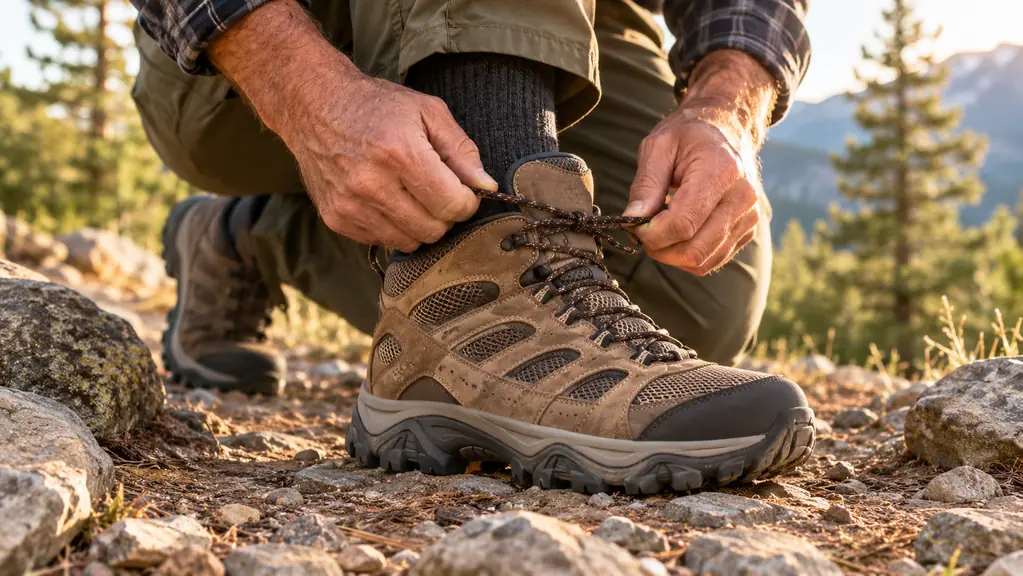
The Merrell Moab 3 Mid Waterproof is a mid-height, lace-up hiking boot with a leather and mesh upper, a foam insole, and maximum cushioning. The specs list it as waterproof, with a plain toe, a flat heel, and a neutral pronation correction. In plain language, it is a comfortable, well-cushioned boot for dirt trails and casual hiking, not a mountaineering boot and not a fashion statement.
The mid height is the feature I came to appreciate most. It comes up over the ankle enough to keep out gravel and give a little support on uneven ground, without feeling like it is holding your foot hostage. The lace-up closure lets me adjust the fit through the day, which matters when your feet swell a bit on a long afternoon hike.
The fit is where Merrell earns its reputation. I have a slightly wide forefoot, and in a lot of boots that means squeezed toes or sizing up and swimming in the heel. The Moab 3 Mid in a women's size 9 gave me enough room across the toes from the first wear, and the heel stayed put without any slipping. The foam insole is soft without being mushy, and the maximum cushioning rating is not an exaggeration. I could feel the difference on the first long walk I took them on, a flat 4 miles, and by the time I got home my feet felt like I had barely walked at all.
The lace-up closure is simple and it works. I can loosen the lower laces in the morning when my feet are still cool, then snug them up after lunch when my feet have swollen a little. The mid height sits at a good point on my ankle, high enough to keep out pebbles and to give me confidence on uneven ground, but low enough that I never felt like I was wearing a brace. My old boots were lower cut, and I did not realize how much ankle coverage I was missing until I spent a season in these.
One thing I will say plainly: these are not the stiffest boots on the market. If you are carrying a heavy pack over talus slopes every weekend, you may want something with a stiffer shank. But for the hiking most of us actually do, the balance Merrell struck here is the right one. The boot is supportive enough for a 2-to-3-night trip and comfortable enough for a 3-mile stroll.
How They Held Up Over 300 Miles
I kept a rough tally this season, and I put about 300 trail miles on these boots between April and October. That included rocky climbs, muddy creek crossings, one stretch of loose scree, and a lot of dry Montana dirt. The outsole still has good tread. The leather uppers show scuffs but no tears. The laces are original, and the eyelets have not pulled or stretched.
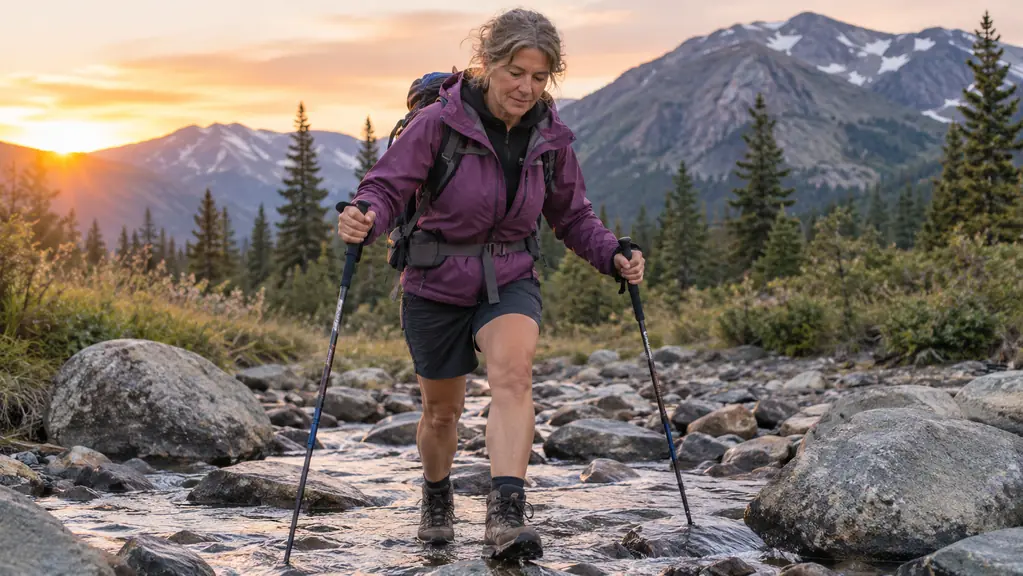
The waterproofing is the part I was most curious about, because waterproof claims are where a lot of boots lie to you. I crossed creeks shallow enough to step through, hiked in rain, and walked through wet grass every single morning of one backpacking trip. My socks stayed dry. The one thing I will note is the boots are not magic: if you step into water over the top of the boot, water will find its way in. That is true of any boot at this height. Not a complaint, just physics.
After 300 miles, the outsole still has good tread, the leather has no tears, and my socks stayed dry through every creek crossing I stepped into.
The cushioning is the other thing that has held up well. The foam insole still feels like it did in June, which surprised me. I expected the cushioning to pack down by fall, and it just has not. My feet are tired at the end of a long day, the way they should be, but not sore in the joints the way they used to be in my old boots.
The worst day for the boots was a September hike on a trail that had been chewed up by a summer of storms. For about half a mile the trail was loose scree, the kind of footing that makes you watch every step. The boots held their ground, and the tread grabbed well enough that I never felt like I was skating. That same day I stepped into a puddle that was deeper than it looked, up to about mid-boot, and the waterproofing did its job. The leather was wet the rest of the hike, but my sock stayed dry, and that is the only test that matters.
I also checked the things that usually fail first. The laces are the originals, and they have not frayed at the ends or stretched out of shape. The eyelets, which are the first thing to go on cheap boots, have not pulled or cracked. The stitching around the toe cap is intact, and the leather has a few scuffs from kicking rocks but no cuts. For a boot that has seen 300 miles of Montana trails, that is better than I expected, and better than my old boots looked at the same mileage.
Where the Moab 3 Mid Falls Short
I promised myself I would not write a review with no complaints, so here are the honest ones. First, the boots are warm. The leather and mesh upper is fine in fall, but on a hot August afternoon my feet ran hot. I wore thinner socks on those days and it helped, but if you hike mostly in desert heat, you may want a lighter, more breathable boot.
The warm feet thing is worth explaining, because it is not just a summer complaint. In October, on a sunny afternoon hike, I could feel the heat building up inside the boots by the third mile. The leather and mesh upper is built for weather protection, not ventilation, and that is a tradeoff you have to accept. On a 90-degree day in August I switched to my thinnest socks and still had to stop halfway and take the boots off to let my feet cool down. If you hike in a hot climate, that will bother you more than it bothers me.
Second, the plain toe cap is not as protective as a reinforced toe. I stubbed my toe on a rock in September and felt it through the leather. It did not hurt for long and the boot is fine, but if you hike on rocky terrain where you kick a lot of stone, a boot with a thicker toe rand is worth considering.
The toe stub in September is the other honest complaint. I was coming down a rocky section and kicked a stone sitting right where I needed to put my foot. The plain toe cap is leather, and I felt the impact right through it. It did not hurt for more than a minute and it left no mark on the boot, but it reminded me a reinforced toe cap would have been nice. For the kind of rocky trails I hike most weeks, I would happily trade a little weight for a sturdier toe.
Third, they are not a technical boot. If you are doing serious off-trail scrambling or carrying a heavy load over rough ground, you will want something stiffer. For the day hikes and light backpacking trips that most of us actually do, the tradeoff is worth it, because a stiff boot that you dread wearing is no good to anyone.
What I Liked
- Short, painless break-in, about two weeks of short walks for me
- Genuinely waterproof through creek crossings and rain
- Comfortable for a slightly wide forefoot in a women's size 9
- Cushioning held up for roughly 300 trail miles
- Mid height keeps out gravel and gives solid ankle support
- Works for day hikes and 2-to-3-night backpacking trips
Where It Falls Short
- Runs warm on hot summer days
- Plain toe is not as protective as a reinforced toe cap
- Not stiff enough for heavy loads or serious off-trail scrambling
- Waterproofing only reaches as high as the boot, not above it
Who This Is For
Buy the Merrell Moab 3 Mid if you are an everyday hiker who wants one boot that does almost everything. If you hike a few times a month, carry a daypack, and want something you can wear out of the box without a brutal break-in, this is the boot. It is also a great choice for weekend backpackers who keep their pack weight reasonable and want a boot that will not punish them on the descent.
It is especially good for people like me, with a slightly wide forefoot or a knee that complains on downhills. The mid height and the cushioning take the edge off both problems. And if you hike in a wet climate, the waterproofing is the real thing, not a marketing word.
One boot for almost every trail day this year
The Merrell Moab 3 Mid carried me through a full Montana season. If you want the same, check today's price on Amazon.
Amazon Check Today's Price on Amazon →Who Should Skip It
Skip the Moab 3 Mid if you need a stiff, technical boot for heavy loads or serious off-trail work. The cushioning that makes it so comfortable is also what makes it less precise on rough ground. If you are carrying 40 pounds over talus every weekend, you will want a boot with a stiffer platform.
Skip it too if you hike mostly in hot, dry conditions. These boots run warm, and there are lighter, more breathable options that will serve you better in the desert. And if you want a low-cut shoe for quick walks on smooth trails, the mid height is more boot than you need. For everyone else, this is the pair I would recommend to a friend at the trailhead.
Ready for your own full season in the Moab 3 Mid?
After 300 miles, I would buy these again tomorrow. See today's price on Amazon and decide for yourself.
Amazon Check Today's Price on Amazon →