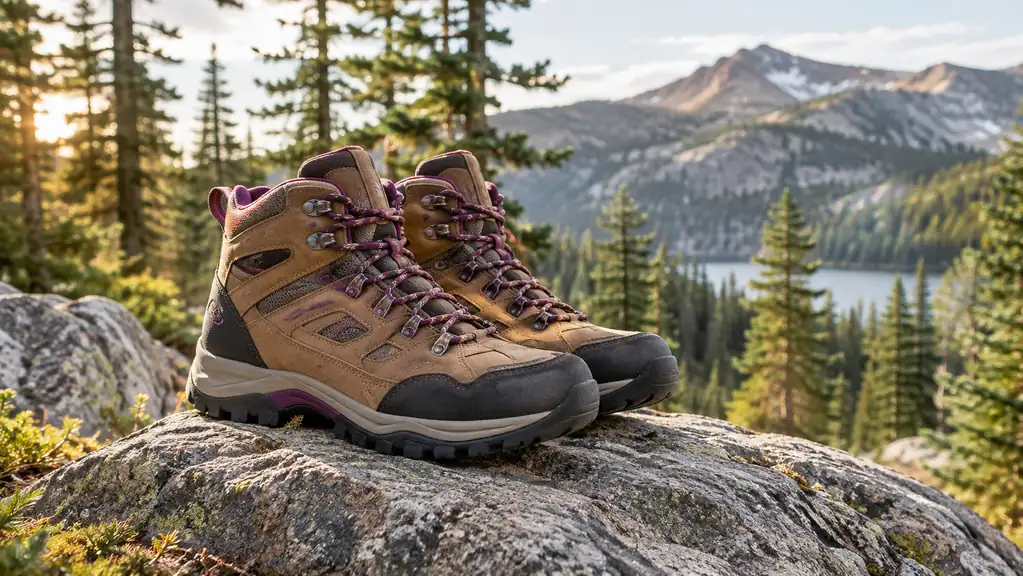
Two boots keep coming up when I talk hiking with friends: the Merrell Moab 3 Mid and the Keen Targhee. I have worn the Merrell since the first week of April, put about 300 trail miles on them here in western Montana, and used them as my only hiking boot through one full season. I have also tried the Keen on twice in stores to see what all the fuss is about, once at the outdoor shop in Missoula and once at a shoe store in Bozeman. The short answer is this. If you want a cushioned boot that is proven over a full season and easy on a sore knee, the Merrell Moab 3 Mid is the one I would buy again. If your toes need room to spread and you like a firmer feel underfoot, the Keen Targhee deserves a serious look. Neither boot is wrong. They just fit different feet and different preferences.
| Merrell Moab 3 Mid | Keen Targhee | |
|---|---|---|
| Toe room | Snugger in the toe, still fine for my slightly wide forefoot | The roomiest toe box I tried on; toes spread easily |
| Cushioning | Maximum cushioning with a foam insole; soft landing on descents | Firmer underfoot, more ground feel |
| First-wear feel | Needed about two weeks of short walks to soften | Felt comfortable straight from the box in the store |
| Weight | Lists 10.4 ounces per boot | Felt heavier on my foot in the store |
| Waterproofing | Waterproof per the listing; fine in wet grass and light rain | Published specs list a waterproof version; I did not test it in rain |
| Traction on dirt | 300 miles on Montana dirt, no slips | Felt planted on the store floor; no real miles to judge |
| Heel hold | Secure after break-in, no rubbing | Heel pocket gripped from the first step |
| Durability so far | Leather uppers and sole still in good shape after a season | Too early to judge from try-ons |
| Best for | All-day hikes and weekend backpacking trips | Hikers who want toe room and a firmer ride |
How I Compared Them
I want to be clear about how this comparison works, because I think it matters. I have owned the Merrell boots since the first week of April and worn them on about 300 trail miles. That is real experience: day hikes most weeks from April through October, plus three backpacking trips of two to three nights each. I know how they feel on the first mile and the tenth, how they handle wet grass in the morning, and how they hold up after a season of dust and pine needles.
I have not owned the Keen Targhee. I judged it the honest way: I tried it on twice in stores, walked around in it, and read the published specs. That gives me a good sense of the fit and the first impression, but it does not tell me how the Keen wears over a season. I will tell you exactly which parts of this comparison come from miles and which come from a store try-on, so you can weigh them the way you should.
Where the Merrell Moab 3 Mid Wins
The Merrell's cushioning is the first thing I noticed and the thing I appreciate most at the end of a long day. The listing calls the cushioning level maximum, with a foam insole, and that matches how it feels on the trail. My left knee gets sore on long descents, and the soft landing under the heel takes the edge off the downhills around here. I am not a doctor and I am not making a medical claim. I am just telling you what I feel after a season of hiking.
The Merrell also wins on weight. The listing says 10.4 ounces per boot, and they feel light on my feet even on the last mile of a long day. The outsole has gripped well on the dirt trails I hike all season, which matches the listing's surface recommendation. I have not slipped once in about 300 miles, including a few damp mornings on packed trail. When a boot is light and planted, you stop thinking about it, and that is the highest compliment I can give a boot.
Where the Keen Targhee Wins
The Keen's biggest strength is the toe box. I have a slightly wide forefoot, and the Merrell fits me fine, but the Keen gave my toes room to spread in a way no other boot I tried this spring did. If you have ever felt your toes cramp after a few miles, or you wear a wide size in dress shoes, the Keen is worth trying on just for that feeling. It is the difference between a boot that fits and a boot that lets your foot do what feet are supposed to do.
The Keen also felt comfortable from the first step in the store. The Merrell needed about two weeks of short walks near home before the uppers softened, but the Keen felt like it was already broken in. The heel pocket gripped my heel right away, which is the part of a boot that usually gives me trouble. I cannot tell you how the Keen holds up over a season, because I have not put a season on it. But the first impression is genuinely good, and for a lot of hikers that first impression is exactly what they are looking for.
The boot I kept reaching for all season
After about 300 miles on Montana dirt, the Merrell Moab 3 Mid is still the first boot I grab from the rack. Cushioned, light at 10.4 ounces, and proven on the trails I actually hike.
Amazon Check Today's Price on Amazon →How the Merrell Has Held Up Over a Season
I bought the Merrell boots in the first week of April, after I finally wore out the generic pair I had been hiking in for years. For the first two weeks, I just wore them on short walks near home to let the uppers soften. By the middle of May, they were comfortable enough for a full day out, and they have been my only hiking boot since. That is not a long break-in by hiking boot standards, and it is the kind of patience that pays off.
The numbers add up to about 300 trail miles across a full season, from April through October. The leather uppers are still in good shape, the laces still hold a snug knot, and the cushioning has not flattened out the way I expected it to by now. I have worn them on day hikes most weeks and on three backpacking trips of two to three nights each. They have been wet, dusty, and covered in pine needles, and they still feel like the same boot I broke in back in April.
One honest note about the waterproofing. It handles wet grass, morning dew, and light rain without complaint. I would not take them through a creek crossing and expect dry socks. That is true of most waterproof boots, and it is true of the Merrell. If you hike where creek crossings are part of the deal, bring a pair of camp shoes or plan to air your feet out at lunch.

How They Feel on the Trail
On the trail, the Merrell does what a good hiking boot should do: it stays out of the way. The cushioning absorbs the small rocks and roots on the trails I hike, and the outsole holds on dry dirt and packed gravel. On a typical day hike of five or six miles, I do not think about my feet at all. On longer days, the light weight matters. At 10.4 ounces per boot, they do not drag at the end of a ten-mile day the way heavier boots have for me in the past.
I cannot describe the Keen the same way, because I never got it on a real trail. What I can tell you is how it felt walking around the store. The firmer sole transmitted more of the floor through to my foot, which some hikers prefer because it gives you a better sense of the ground. The roomy toe box meant my toes were not touching the front of the boot on downslopes in the store's little ramp area. Those are promising signs, but they are not miles.
What the Fit Differences Actually Mean
Here is what I learned trying both on. The Merrell fits like a classic hiking boot. The lace-up closure lets you snug the ankle, the plain toe and flat heel keep things simple, and the mesh lining breathes on warm days. It is a neutral, no-nonsense fit that works for most feet, and the maximum cushioning gives it a soft, forgiving ride. If you have hiked in a traditional boot before, the Merrell will feel familiar from the first mile.
The Keen is a different shape. The toe box is noticeably wider, and the boot sits a little firmer underfoot. If you have a wide forefoot or toes that complain on long descents, that extra room can be the difference between a good day and a miserable one. If you like a snug, cushioned ride, the Merrell will probably suit you better. Neither is better in any absolute sense. They are shaped for different feet, and the only way to know which shape is yours is to try them both on.
A Note on Sizing
I wear a women's size 9, and I have a slightly wide forefoot, which is the one measurement that causes me the most trouble in hiking boots. In the Merrell, the size 9 fits true to size for me, with just enough room in the toe. In the Keen, the same size 9 felt roomier in the toe box, which is exactly what some hikers want and exactly what others will find too loose. If you are between sizes or you wear a wide size in other shoes, I would order your usual size and be ready to exchange if the fit is not right.
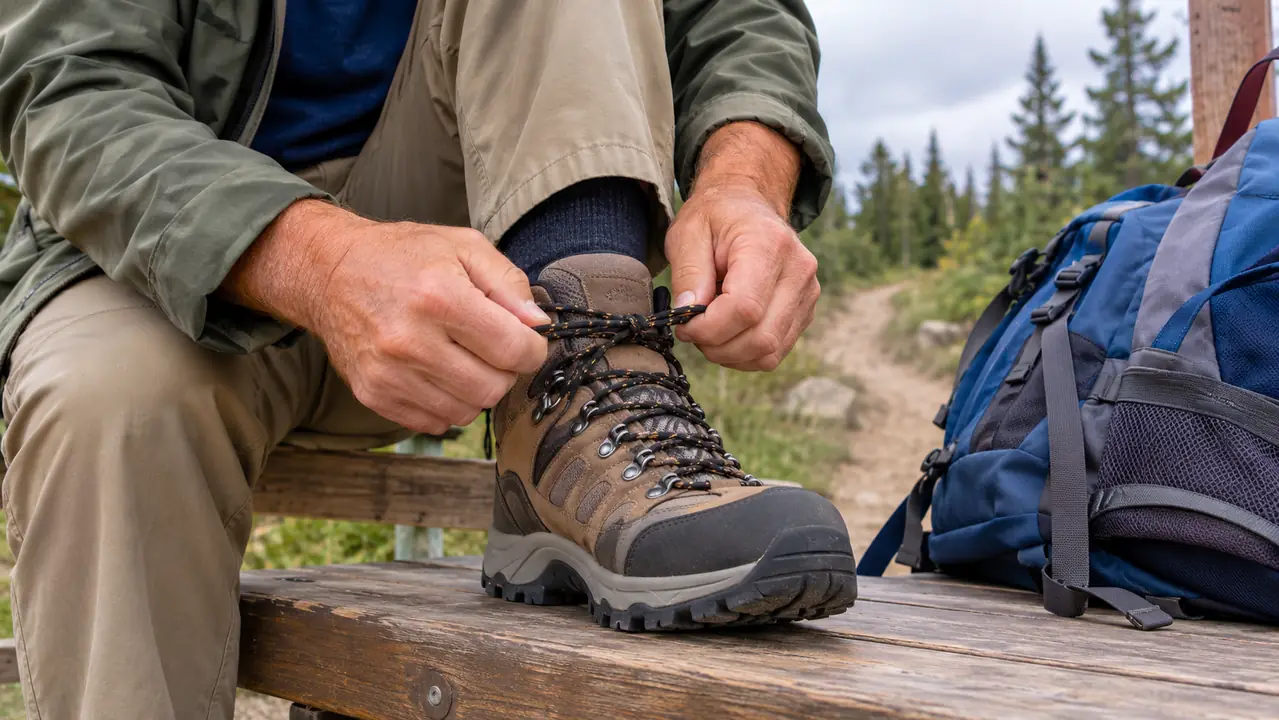
The other thing I would tell you is to wear the socks you plan to hike in when you try boots on. I rotate three pairs of Darn Tough Hiker Micro Crew socks, and they add a little volume, so trying boots on with thin socks will give you a false sense of the fit. Take your hiking socks to the store, walk around for ten minutes, and go up and down a set of stairs if they have one. A boot that feels good in the store will still need real miles, but a boot that feels wrong in the store will not get better.
Who Should Buy Which
Buy the Merrell Moab 3 Mid if you want a cushioned, proven boot for all-day hikes and weekend backpacking trips. It is the boot I trust for a ten-mile day, and the maximum cushioning is kind to my knee on descents. If you are replacing a worn-out pair and you know a classic hiking fit works for you, this is the safe, sensible choice. It is not the flashiest boot on the shelf, but it does what a boot is supposed to do, mile after mile.
Buy the Keen Targhee if your toes need room to spread, if you like a firmer feel underfoot, or if you have no patience for a break-in period. Try it on first, the way I did, and walk around the store for a while. The toe box alone is enough to win over a lot of hikers with wide forefeet. Just remember that a store try-on is not the same as a season of miles, and give whatever you buy the time it needs to prove itself on real trails.
Still deciding? The Merrell is the one I trust on the trail
About 300 miles in, the Merrell Moab 3 Mid has earned its place as my only hiking boot. If that sounds like the boot you need, check the current price on Amazon.
Amazon Check Today's Price on Amazon →